“coffee bean drying steps” search results (1000)

Teach you how to wash coffee and raw beans
Coffee raw beans are the state of coffee beans before they are roasted, and the processing process of coffee raw beans is more troublesome. Today we will talk about how to wash coffee raw beans, that is, the step of washing coffee raw beans.
2014-07-17 Coffee knowledge coffee bean cleaning coffee skills coffee encyclopedia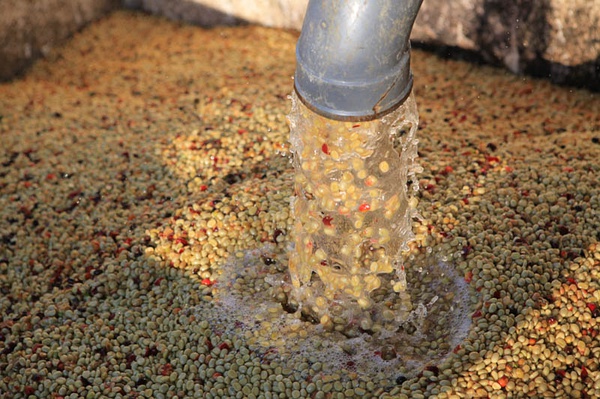
The treatment method of raw coffee bean; the detailed introduction of washing method.
When the coffee fruit is harvested from the mountain, the next step is to remove the peel and pulp of the coffee beans. There are two main ways of treatment: washing and solarization. But the ultimate determining factor is whether there is enough water to use. Some special boutique coffees are both insolated and washed. Washing requires the use of special machinery and equipment and adequate water sources.
2015-12-01 Coffee raw beans treatment method washing method details introduction
There are several cleaning methods for raw coffee beans.
If you are obsessed with one thing, you will inevitably trace the origin of Ta. For coffee lovers, they are very interested in how coffee beans are presented before they are roasted and how raw beans are processed and cleaned.
2014-07-14 Coffee knowledge coffee raw beans coffee bean cleaning
Coffee Xiaobai classroom, how to taste a single coffee? What kind of coffee would you like? How do you taste?
The origin of individual coffee has different flavors, which is the charm that enables the coffee to develop continuously. Coffee from different producing areas has different flavors, making the coffee all over the world a big garden with rich taste. So how should we taste it? (note: for the sake of brevity, I assume that there is no deviation in the degree of baking and cooking.) first
2016-03-21 Coffee rookie class how tasting one single product which kind origin
Coffee making skills homemade coffee analysis: siphon pot
Siphon pot (Syphon), commonly known as "glass ball" or "siphon", is a simple and easy-to-use method of coffee brewing, and it is also one of the most popular coffee brewing methods in cafes. Although the siphon pot has the nickname of "plug wind type", it has nothing to do with the siphon principle, but uses water heating to produce water vapor, resulting in thermal expansion and cold contraction principle, push the hot water from the lower sphere to the upper pot, and then wait for the lower pot to cool.
2015-04-17 Coffee making skill homemade parsing siphon
The processing steps of coffee beans how to deal with raw coffee beans
When the coffee berries are ripe, they are usually harvested by manual picking. In some places, only the fully ripe berries are picked, while others are all picked from a single branch. The former is called handpicked and the latter is called strip-picking. Because the ripening time of coffee berries is not consistent, the harvest is likely to be divided into several stages.
2016-03-28 Coffee beans processing steps coffee raw beans how berries ripe usually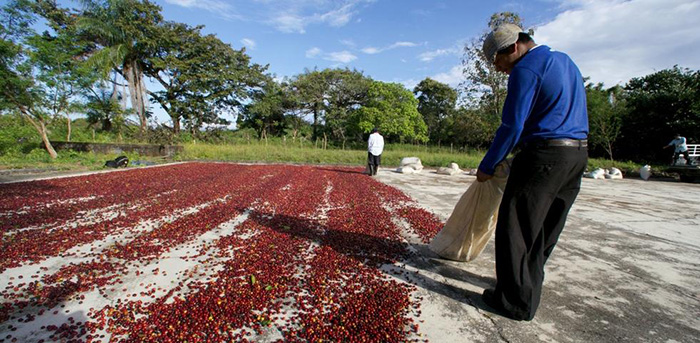
The treatment of raw coffee beans: a detailed introduction to the sunburn method
The solarization process can also be called a natural process, which is basically the oldest, simplest, and requires the least mechanical tools. The first step is to sort and clean it up first. Immature, overripe, damaged coffee fruits will be singled out first. At the same time, the branches, leaves, mud and stones mixed in the fruit will also be removed. Sieves are usually used to deal with this preliminary
2015-12-01 Coffee raw beans treatment method solarization details introduction insolation process also available
Coffee making knowledge the highest level of homemade coffee: hand-made coffee
Hand flushing can bring the personality and characteristics of coffee beans to the extreme, so a single coffee bean is often chosen. Hand-made coffee was invented by the French, but it was the Japanese who carried it forward. Hand brewing is the highest state of coffee brewing. With the support of rich experience, a cup can be obtained by controlling water temperature, powder quantity, thickness, flushing speed, manipulation and extraction time with the simplest tool.
2015-04-17 Coffee production common sense self-control supreme realm hand flush hand brew coffee bean
The selection of coffee
The process of removing impurities from the harvested coffee fruit into "raw beans" is called "refining". Refining methods are mainly divided into two categories-washing type and non-washing type. Brazil and other places originally used the non-washing type, but now some coffee also use the washing type selection method in order to pursue higher quality.
2014-07-04 Coffee knowledge coffee encyclopedia coffee bean processing
Six steps of coffee cup evaluation
There are six steps in coffee cup evaluation, describing the aroma, aroma, taste, smell, aftertaste and mellowness of coffee. 1. Fragrance: the first step in cup evaluation is to evaluate the aroma of coffee beans. Grind 10 grams of coffee, put it in 3-5 sample cups, and then breathe hard at the gas released by the freshly crushed coffee cells. The characteristics of the aroma indicate the essence of the taste of coffee beans:
2015-01-06 Boutique coffee tasting coffee cup step six steps description
Processing methods of high-quality coffee technology coffee raw beans
Dry treatment (secado), also known as natural all-day exposure (natural). After the coffee fruit is actually picked, it is dried directly in the sun. According to the weather conditions, it is usually necessary to dry the coffee beans for 2 weeks, so that the water content of the coffee beans is reduced to 10%. Then the machine is used to remove the dried peel and pulp. Raw bean processing plant (beneficio) usually keeps the outside of coffee beans when raw beans are stored.
2014-12-11 Boutique Coffee Technology Raw Bean processing treatment method secado
Selection and treatment of coffee beans
Newness is the most important factor in buying coffee beans. To judge whether there are two steps between buying new beans and whether there are two steps: grab a handful of coffee beans and feel them with your palms. Is it enough to have a fragrance close to the nose? Put a bunch of beans into your mouth and bite them. A crisp sound indicates that the beans are well preserved and damp. If you want a single coffee bean, grab one in the palm of your hand.
2015-05-20 Coffee beans selection processing
Factors that affect the taste of a cup of coffee
Among the factors that affect the taste of a cup of coffee: raw beans account for 60%, roasting accounts for 30%, and extraction accounts for 10%. So let's take a look at the whole process of coffee life, that is, from a seed to a cup of coffee, to understand each factor on the taste of coffee one by one. Raw beans: only good materials can make a good taste. This is an immutable truth in the catering industry. The quality of raw coffee beans determines the taste of coffee.
2014-07-18 Coffee knowledge coffee taste influence factors
Six steps of coffee tasting General knowledge of fine coffee
Coffee tasting has six steps to describe the aroma, aroma, taste, smell, aftertaste and mellowness of coffee. 1. Fragrance: the first step in tasting is to evaluate the aroma of coffee beans. Grind 8.25 grams of coffee, put it in 3-5 sample cups, and then breathe hard at the gas released by the freshly crushed coffee cells. The characteristics of the aroma indicate the taste of coffee beans.
2015-04-08 Coffee tasting six steps boutique common sense coffee
The taste of Tanzanian coffee with the step of washing treatment
Tanzania is also often compared with its nearest neighbor Kenya. It is said that the earliest Arabica coffee in Tanzania was introduced by Christians from Kenya and is similar to Kenya in flavor characteristics. With grapefruit aromas and soft and bright acidity. However, because the economic conditions of Tanzania are worse than those of Kenya, the production conditions are poor. Tanzania is concerned about quality.
2016-06-29 Adopt wash treat step Tanzania coffee taste often used
Six steps of coffee cup evaluation
The six steps of coffee cup evaluation describe the aroma, aroma, taste, smell, aftertaste and mellowness of coffee. 1. Fragrance: the first step in cup evaluation is to evaluate the aroma of coffee beans. Grind 8.25 grams of coffee, put it in 3-5 sample cups, and then breathe hard at the gas released by the freshly crushed coffee cells. The characteristics of the aroma indicate the taste of coffee beans.
2014-09-10 Coffee cup review
The brewing process of a good cup of coffee and coffee skills
A good cup of Nanyang coffee must have the cooperation of coffee beans, roasting and brewing, all of which are indispensable. A good cup of coffee takes seven steps to pick up the beans.
2015-03-11 One cup coffee brewing process notes skills
Six steps to taste coffee
There are six steps in coffee cup evaluation, describing the aroma, aroma, taste, smell, aftertaste and mellowness of coffee. 1. Fragrance: the first step in cup evaluation is to evaluate the aroma of coffee beans. Grind 10 grams of coffee, put it in 3-5 sample cups, and then breathe hard at the gas released by the freshly crushed coffee cells. The characteristics of the aroma indicate the essence of the taste of coffee beans:
2014-08-13 Tasting coffee tasting coffee coffee encyclopedia
Coffee technology hand-brewed coffee making steps
(1) prepare appliances and boil water. (2) grind coffee powder and set it to the filter. (3) preheat the kettle and adjust it to the appropriate water temperature. (4) brewing: 1. Steaming. Soak the coffee in a small amount of water to make it fully expand. 2. water injection for the first time when the expansion reaches the peak. (60%) 3. The second water injection when the expansion surface falls to the plane. 4. The third water injection. 5. Separation filter. (5) will
2014-09-18 Coffee knowledge hand brewing coffee coffee making coffee encyclopedia
The usage of Philharmonic pressure-what is the price of Philharmonic pressure suitable for which kind of coffee beans?
1. What kind of ground coffee powder should I use? We recommend fine grinding, but it is slightly thicker than the Italian machine. Why is 80 ℃ water recommended for brewing coffee? From coffee lovers to coffee professionals, all of our tasters like 80 ℃. Because this temperature can brew smooth and rich coffee, hotter water will increase the bitter and sour taste by 3. 5%. How can I put
2016-10-18 Philadelphia method of use price how much suitable which kind coffee beans